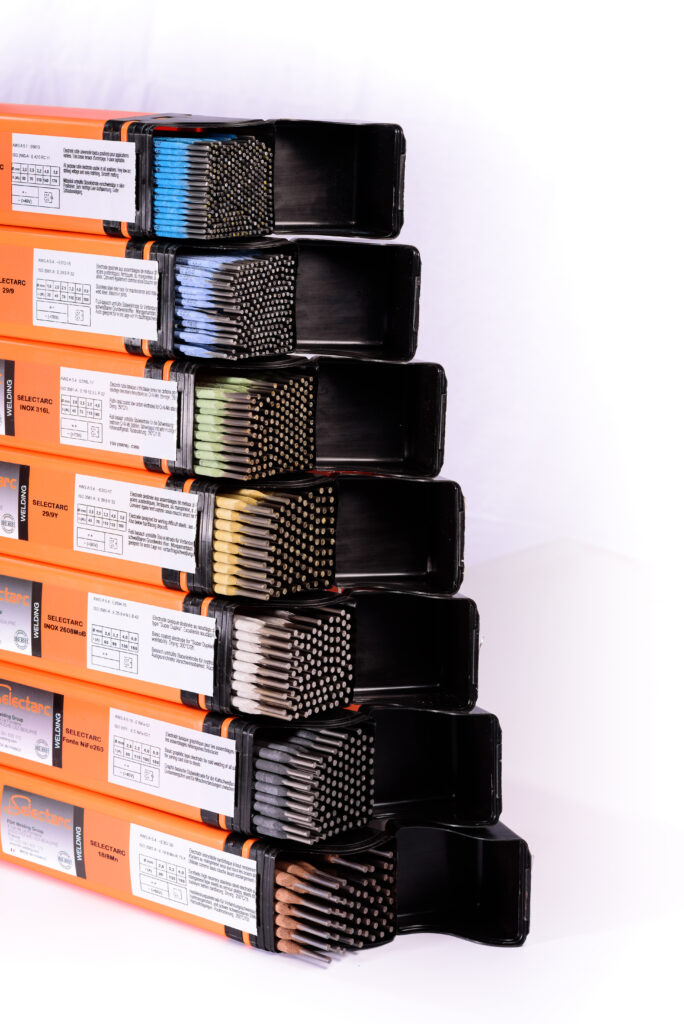



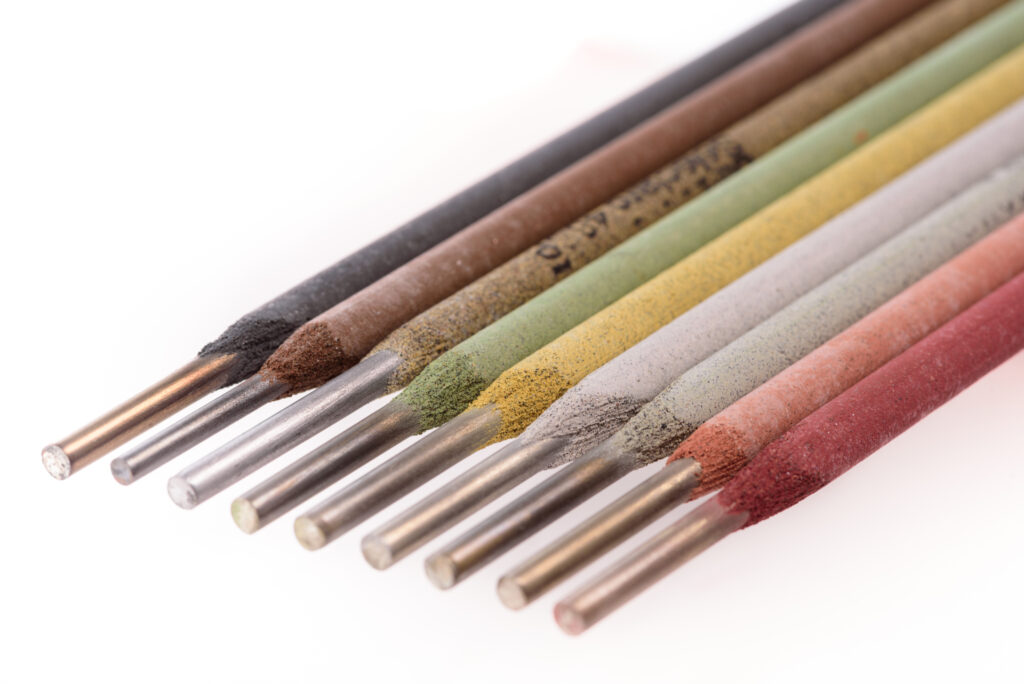
The coated electrode is the filler metal used for the manual metal arc welding process (MMA). Versatile and relatively simple to use, it is employed in many industrial sectors for assembly, maintenance and repair operations.
It can be used both to create new assemblies and to work on existing equipment to repair it or extend its service life.
But why is a welding electrode coated?
The coating is not simply a layer applied around the metal core. Its composition affects the electrode’s behavior during welding, protection of the weld pool, slag formation and the characteristics of the deposited metal.
Rutile, basic, rutile-basic, cellulosic… There are several coating families, each suited to specific needs and welding conditions.
What is a coated electrode?
A coated electrode consists of two main components:
- a metal core, which conducts the current and contributes to the formation of the deposited metal;
- a coating, made from a mixture of mineral and/or organic materials whose formulation varies according to the desired properties.
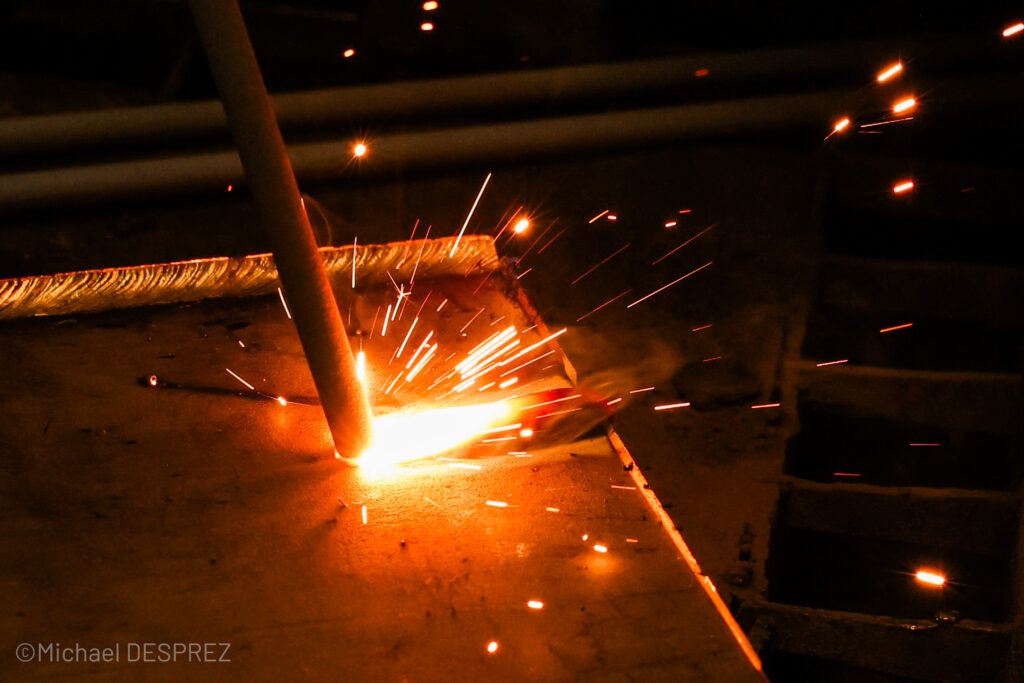
During MMA (Manual Metal Arc) welding, also known as SMAW (Shielded Metal Arc Welding), an electric arc forms between the end of the electrode and the workpiece.
The heat generated gradually melts the electrode and the base metal. The molten metal forms the weld pool. The coating transforms and contributes in particular to protecting the pool and forming the slag.
What are coated electrodes used for?
Coated electrodes are primarily used for assembly, maintenance, repair and, for certain products, surfacing operations.
Assembly
Electrodes make it possible to permanently join metal parts to manufacture structures, equipment or components.
The filler metal must have characteristics compatible with the base materials and the expected performance of the assembly.
Maintenance
Coated electrode welding is also used for industrial maintenance operations.
The relative simplicity and portability of the required equipment make the process particularly useful for certain on-site interventions or work on existing installations.
Repair and surfacing
Electrodes can be used to repair damaged, cracked, or worn parts, restoring their functionality and extending their service life.
Some electrodes are also designed for weld buildup. A layer of metal is deposited to restore a part’s dimensions or improve its surface properties, particularly its resistance to wear, impact, or abrasion.
The choice of electrode therefore depends on the material to be welded, as well as the purpose of the work and the part’s operating conditions.
What is the purpose of a welding electrode coating?
The coating performs three main functions: electrical, metallurgical and mechanical. It therefore affects the electrode’s behavior during welding and the characteristics of the deposited metal.
An electrical role: starting and stabilizing the arc
The coating formulation influences the electrode’s electrical behavior.
It helps to:
- facilitate arc starting and restarting;
- stabilize the electric arc;
- enable use with certain types of current, alternating or direct;
- limit the occurrence of unwanted secondary arcs and guide the arc.
A metallurgical role: protecting the molten metal
During welding, the weld pool must be protected from elements present in the atmosphere.
As it transforms, the coating helps create a protective gaseous atmosphere around the arc and weld pool.
Depending on its formulation, it also contributes to:
- deoxidizing the molten metal
- adding elements that influence the composition of the deposited metal
- forming slag
- protecting the metal as it solidifies
- controlling cooling
- controlling the bead shape and enabling welding in certain positions
A mechanical role: controlling metal transfer
The coating helps direct the arc along the extension of the electrode and influences the transfer of metal droplets into the weld pool.
The behavior and viscosity of the slag help support the molten metal, particularly in certain welding positions. The nature and thickness of the slag also influence the shape and appearance of the bead.
What are the main types of coating?
Rutile, basic, rutile-basic and cellulosic coatings. They differ in their composition, welding behavior and the desired properties of the deposited metal.
Rutile electrode: ease of use and welding comfort
Rutile coatings contain a significant proportion of titanium dioxide-based compounds.
Rutile electrodes are particularly valued for:
- easy arc starting and restarting;
- arc stability;
- ease of use;
- the regular appearance of the bead;
- slag that is generally easy to remove.
Basic electrode: mechanical performance and hydrogen control
Basic coatings contain mineral constituents such as carbonates and fluorides.
These electrodes are particularly sought after when the application requires good mechanical properties and control of diffusible hydrogen.
Their storage, conditioning and operating conditions must be carefully controlled to preserve the desired properties.
Rutile-basic electrode: a balance between operability and performance
Rutile-basic coatings combine constituents characteristic of the rutile and basic families.
They aim to strike a balance between:
- arc stability and behavior
- ease of use
- slag behavior
- weld bead appearance
- deposited metal properties
The exact performance remains directly linked to the electrode formulation.
Are there other types of coating?
Yes. Rutile, basic and rutile-basic electrodes do not represent all the available solutions.
For example, cellulosic electrodes are known for their penetrating arc and suitability for certain positional welding configurations. They have notably been used in pipeline welding.
Other classifications exist, such as rutile-cellulosic, rutile-acid and acid families.
However, the coating type is only one criterion among many. The complete classification, technical datasheet and manufacturer’s recommendations must be consulted before use.
Which electrode should be chosen for each welding position?
Not all electrodes can be used for welding in every position. Suitability depends on the characteristics and classification of each product reference.
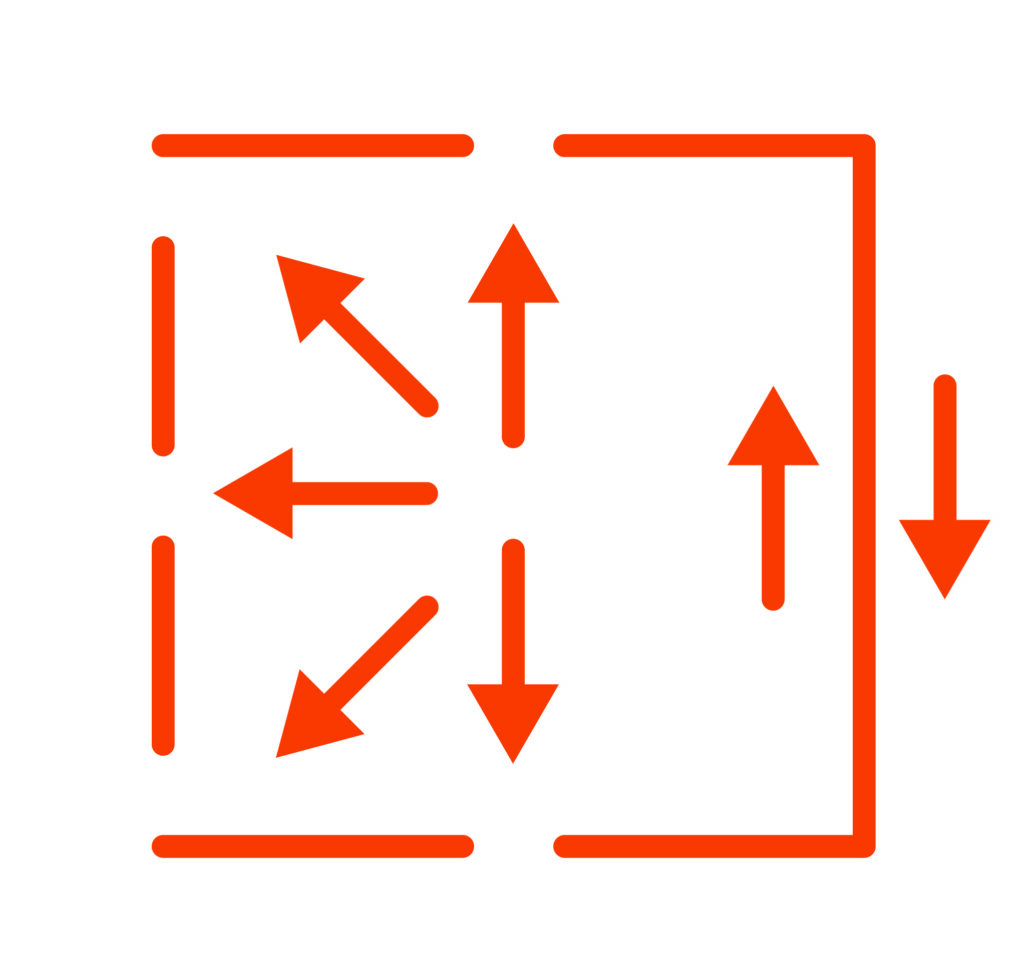
Flat, fillet, horizontal, vertical or overhead: the position affects the behavior of the weld pool.
Under the effect of gravity, molten metal is particularly more difficult to control in the vertical or overhead position. The coating and slag then help control the weld pool and metal transfer.
Depending on the electrode, welding can be carried out:
- flat;
- in the fillet position;
- in the horizontal position;
- in the vertical-up position;
- in the vertical-down position;
- overhead.
Positions are notably designated by references such as PA, PB, PC, PD, PE, PF or PG.
Two electrodes belonging to the same coating family may have different characteristics. The technical data sheet and the information on the packaging can be used, in particular, to check the recommended positions, polarity, and current intensity.
How do you choose a coated electrode?
Electrode selection depends primarily on the material to be welded, the properties sought, the welding position, the available current, and the service conditions.
Whether for assembly, maintenance, repair, or hardfacing, the coating type is therefore not the only criterion.
The following factors must also be considered:
- the nature and grade of the base metal
- the purpose of the work
- the required mechanical properties
- the thickness of the parts
- the welding position
- the type of current available
- site or workshop conditions
- temperature and service conditions
- wear or corrosion resistance requirements
- diffusible hydrogen requirements
- applicable standards and specifications
The choice of filler metal must therefore take into account all the technical and operational constraints of the application.
Standard coating or custom formulation?
The main coating families cover a wide range of industrial applications. However, some situations require specific characteristics.
The formulation can then be developed or adapted to influence various parameters: arc stability, operating behavior, slag characteristics, metal transfer, the chemical composition of the deposited metal or its mechanical properties.
Development must also take into account the behavior of the formulation during manufacturing, particularly during extrusion, drying and baking.
Specific specifications may include requirements relating to:
- the base metal
- the characteristics of the deposited metal
- welding positions
- service conditions
- the customer’s manufacturing process
- productivity objectives
- applicable standards or specifications
The developed formulation must then be manufactured, tested and characterized to verify its welding behavior and the performance achieved.
What other welding processes and filler metals are available?
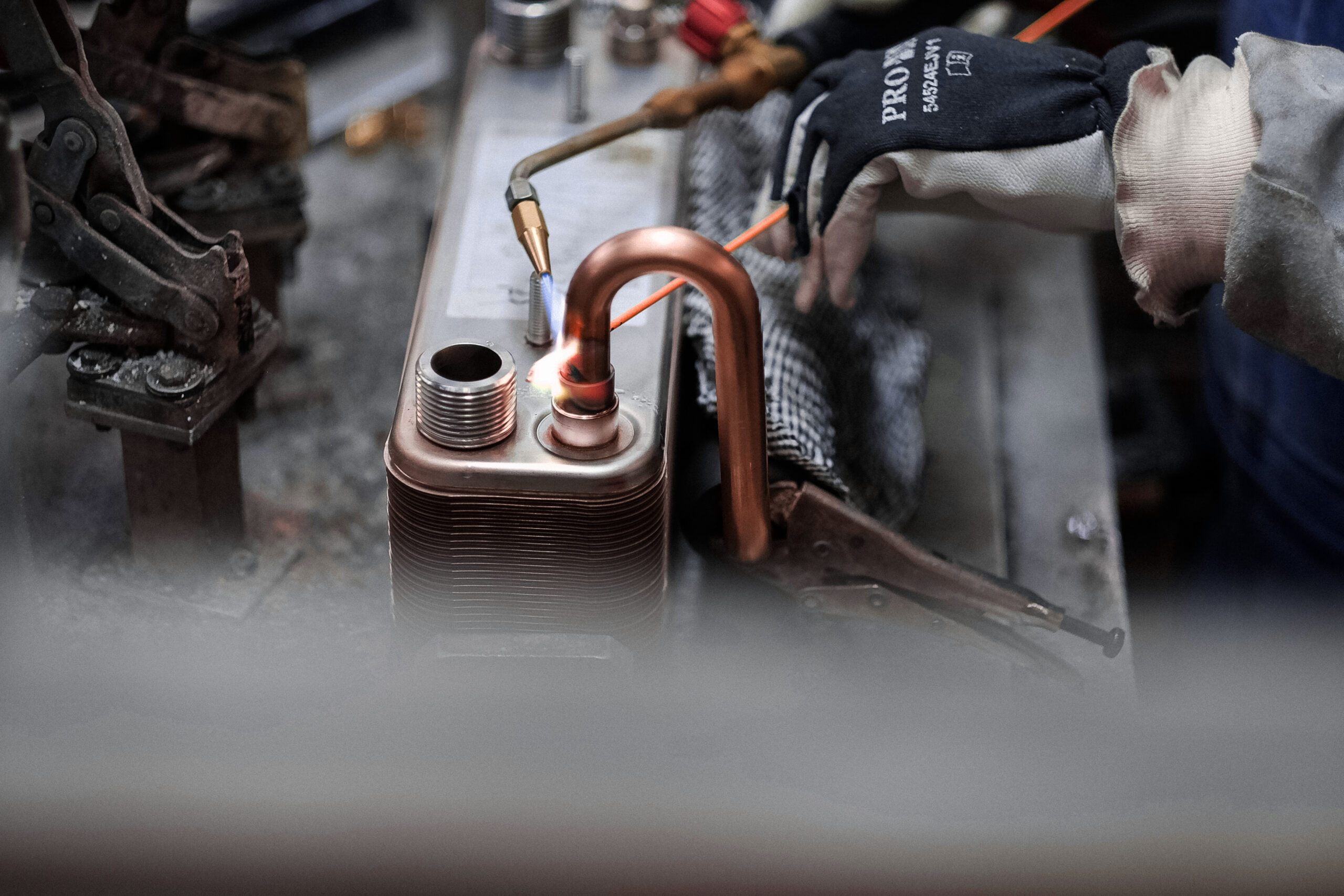
The coated electrode is not the only filler metal used in welding. The consumable format depends in particular on the process selected.
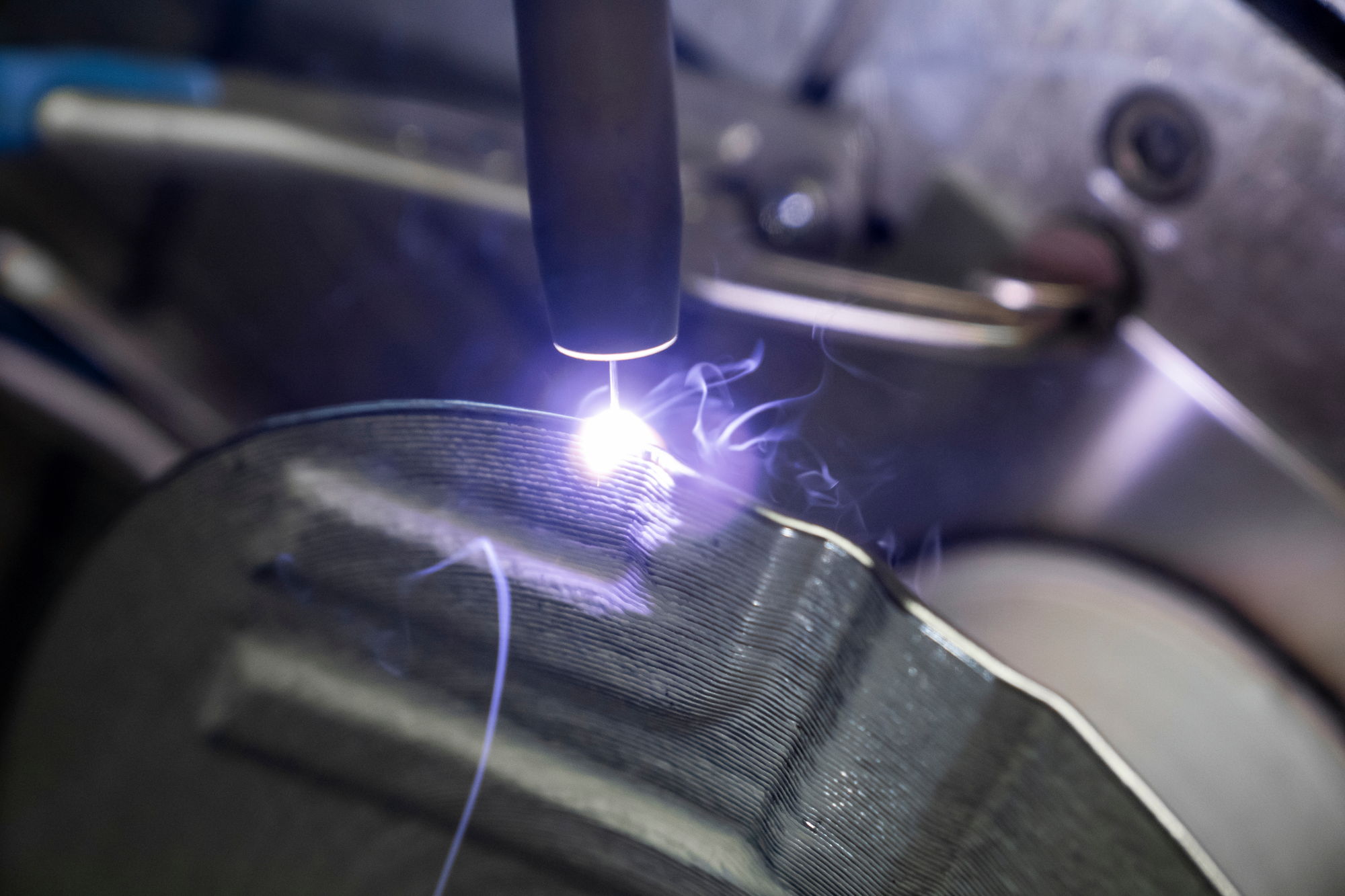
The coated electrode is associated with the MMA/SMAW process, but other welding processes are used in industry:
- TIG/GTAW: filler rods or wires, with a non-consumable tungsten electrode
- MIG/MAG/GMAW: continuous electrode wire
- FCAW / flux-cored wire: tubular wire
- SAW / submerged arc welding: electrode wire combined with granular flux
Each process meets different requirements in terms of productivity, precision, mobility, automation, and performance.
How is a coated electrode manufactured?
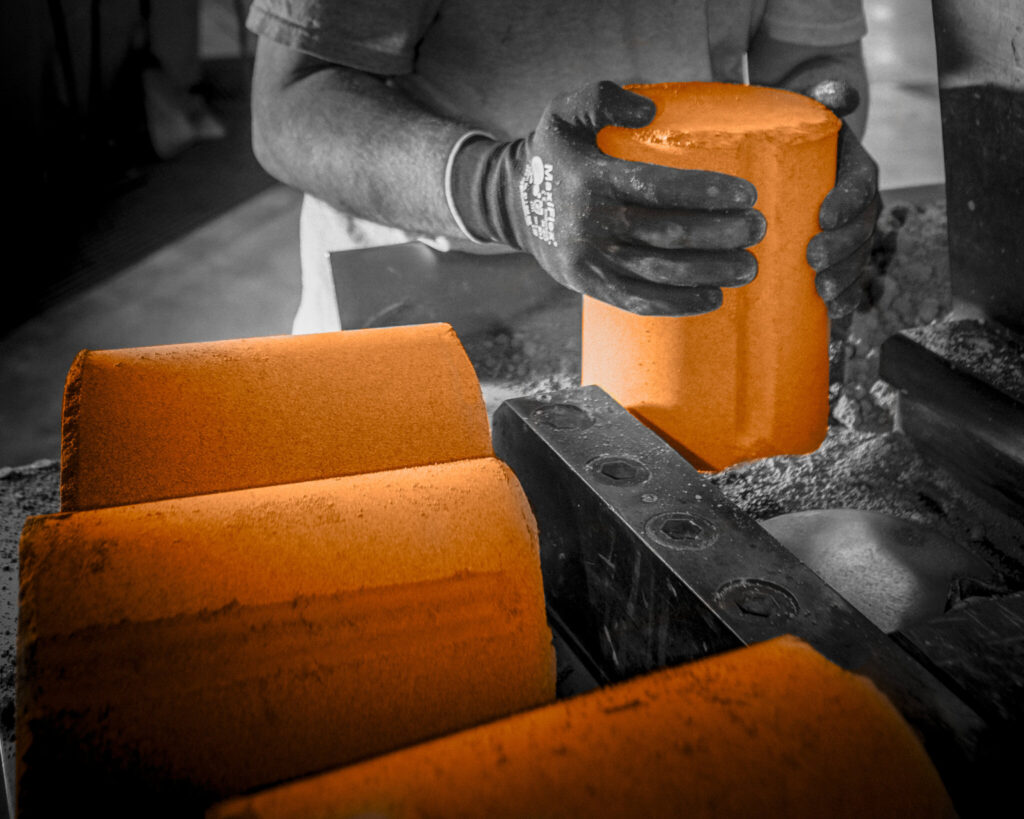
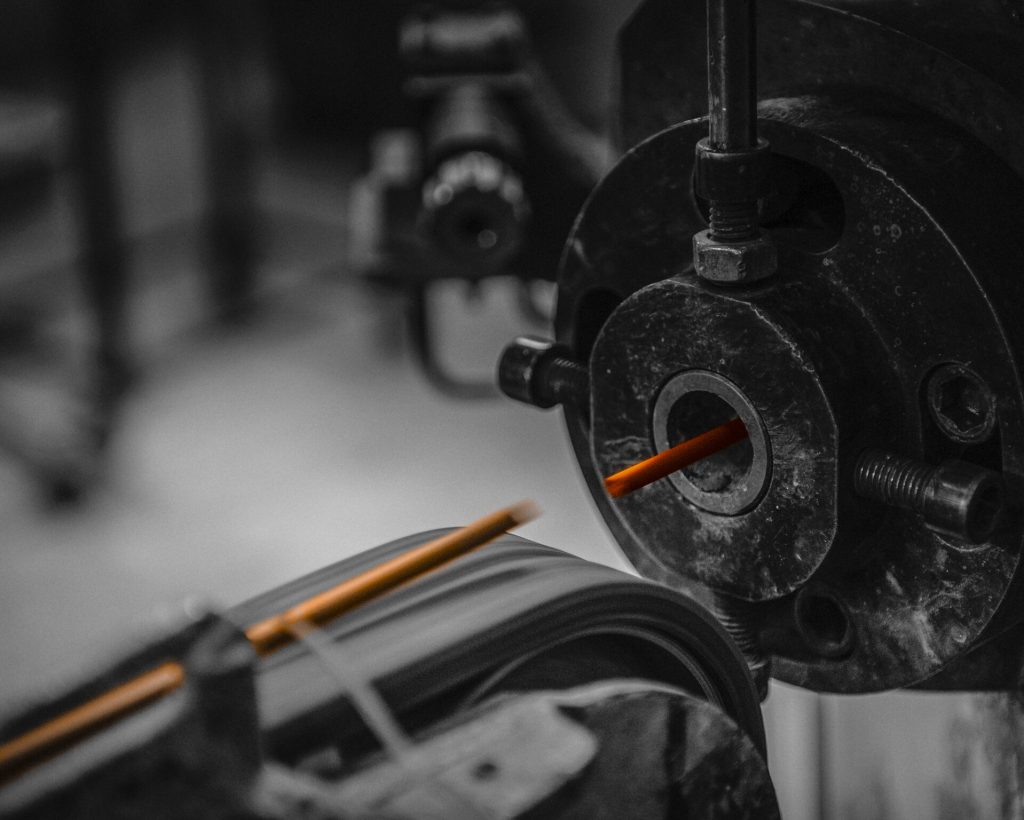
A coated electrode is manufactured in several stages: formulation, raw material preparation, extrusion, drying and baking, inspection, and packaging.
Manufacturing requires control of metallurgy, coating formulation and the industrial process.
Formulating the coating
The coating composition is defined according to the electrode type and the desired performance.
It notably influences arc behavior, slag and the characteristics of the deposited metal.
Preparing the raw materials
The raw materials are precisely dosed and mixed to obtain a homogeneous composition.
Extruding and coating
The mixture is extruded around the metal core to obtain a uniform coating.
Inspections are carried out throughout production to verify the consistency and conformity of the electrodes.
Drying and baking
After extrusion, the electrodes undergo a controlled thermal cycle including drying and baking.
This stage notably controls moisture, stabilizes the coating and gives it the expected properties.
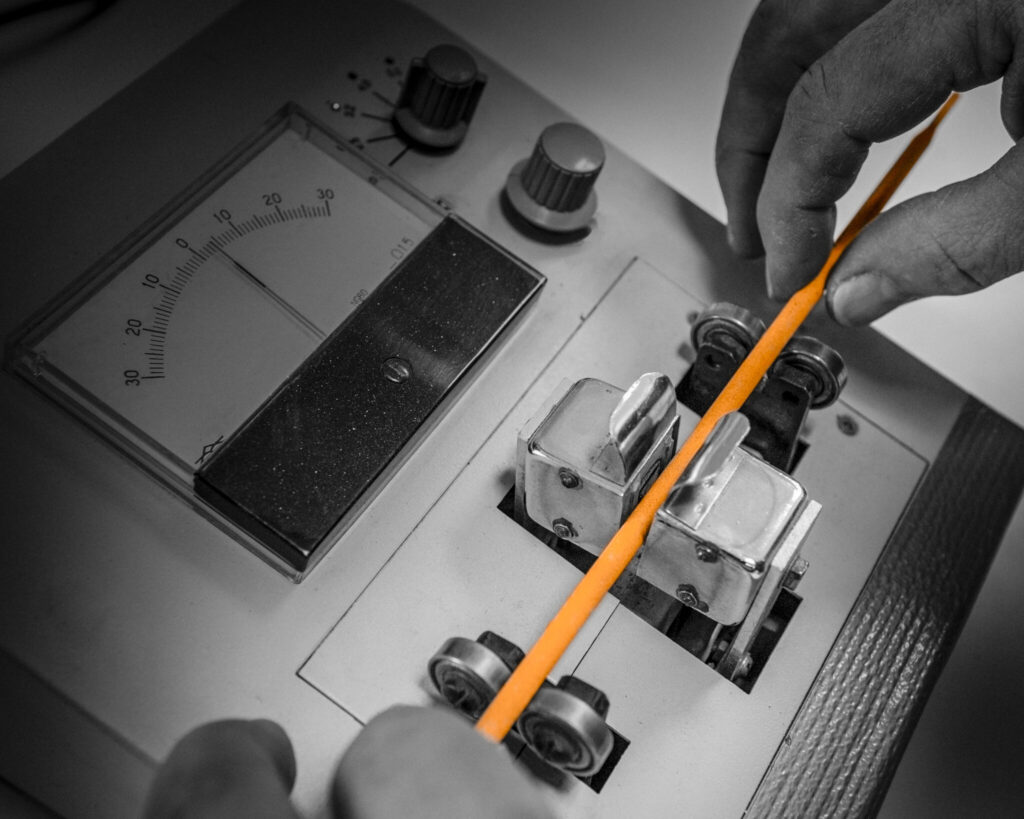
Inspection
Final inspections verify electrode conformity.
Depending on the product and applicable requirements, they may be supplemented by welding tests, chemical analyses, metallographic examinations or mechanical tests on the deposited metal.
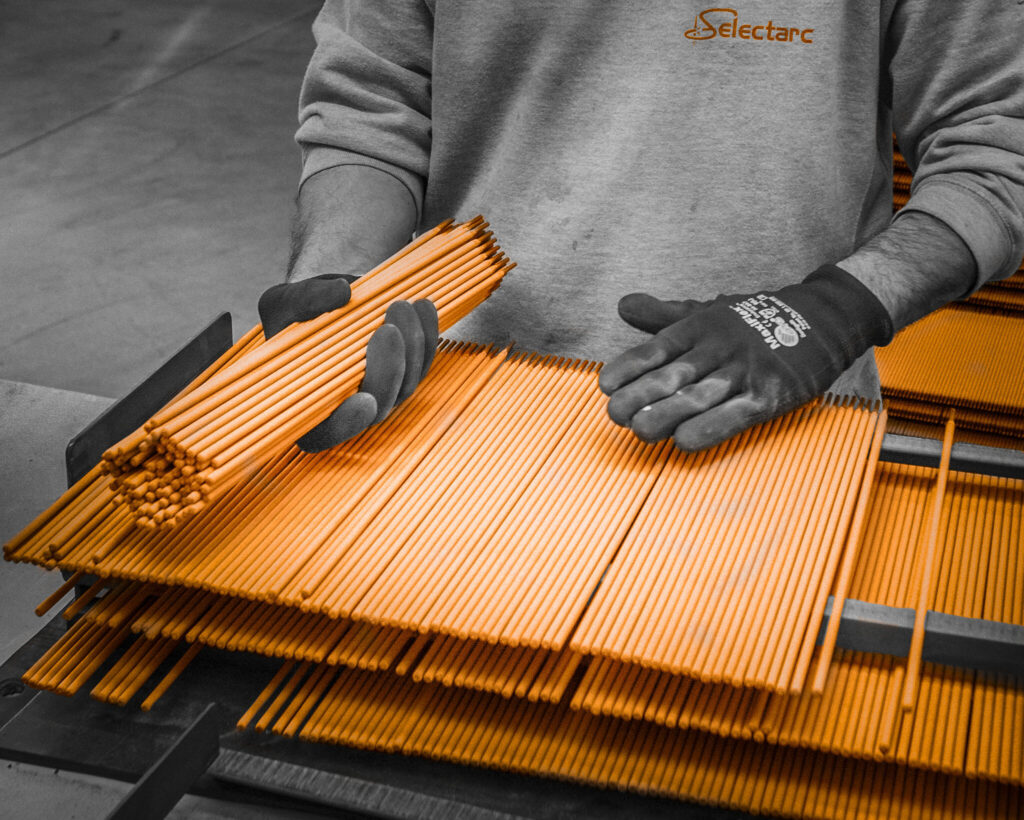
Identify and package
The compliant electrodes are identified and packaged to preserve their characteristics and ensure traceability.
Storage conditions remain particularly important for electrodes that are sensitive to moisture reabsorption.

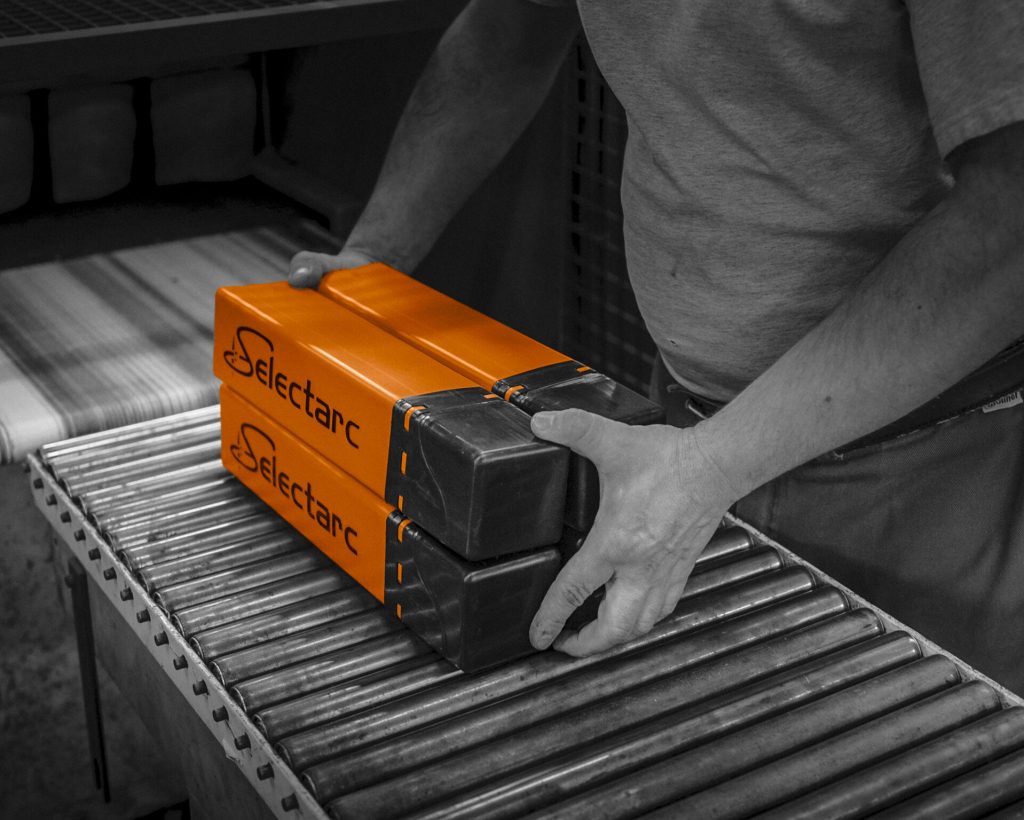
From formulation to the manufacture of coated electrodes: SELECTARC expertise
At SELECTARC, electrode development starts with mastering its formulation.
Our integrated R&D laboratory develops and optimizes coating compositions to achieve the required operating, metallurgical and mechanical properties. Our teams work with proven formulations and can also develop custom solutions based on the customer’s specifications and application.
Our coated electrodes are manufactured in France, at our Grandvillars site (90), where we control every stage of the process: raw material preparation, extrusion of the coating around the metal core, drying, baking, testing and packaging.
Checks are carried out throughout production and on finished products. Our laboratory also has testing facilities to characterize the deposited metal and validate the required performance: tensile, impact bending, bend, hardness measurement, micrographic and macrographic tests.
This control over development and manufacturing is reflected in a range of more than 300 coated electrodes, designed for a wide variety of industrial applications: joining, maintenance, repair and hardfacing.
And because each welding process involves different constraints, SELECTARC also offers a wide range of other filler metals: TIG wires and rods, MIG/MAG wires, flux-cored wires, submerged arc welding wires and specialty wires, particularly for micro-laser applications.
Thanks to its industrial and metallurgical expertise, SELECTARC develops and manufactures in France high-performance filler metals for welding and brazing, tailored to the requirements of industry.
👉 Have a specific requirement? Let’s discuss your application.
To learn more, discover our complete range of coated welding electrodes.